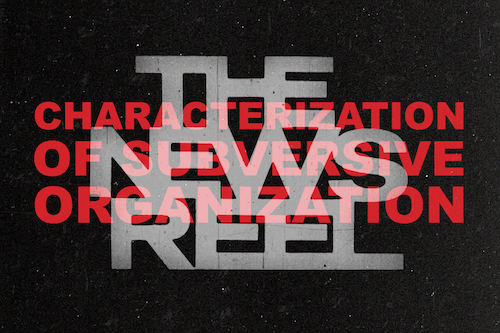
THE NEWSREEL: CHARACTERIZATION OF SUBVERSIVE ORGANIZATION
88 minutes, France / USA, 2026”They didn't just film the revolution, they were a revolution'“
An experimental portrait of the 1960's film collective THE NEWSREEL co-directed by Ivora Cusack
website coming soon
Punk the Capital: Building a Sound Movement
(HD, 88 minutes, USA, 2019)
When punk rock exploded in Washington D.C. in the mid-1970s, it was a mighty convergence of powerful music, friendships, and clear minds. Punk the Capital takes us through the transformative period (1976-1983), situating D.C. punk within the larger narratives of punk and rock n' roll. It takes us to the heart of why both the sounds and ideas from this unique music scene continue to influence and inspire around the world. Focusing on bands such as Bad Brains and Minor Threat and featuring persons including Henry Rollins, HR, Ian MacKaye and Cynthia Connolly, the film creates a portrait of a movement that not only redefined a genre but that created a model for social and political engagement.
Co-created by Paul Bishow
DVD/BLU RAY: DISCHORD RECORDS
BLU RAY-UK/EUROPE: HERE
DVD-UK/EUROPE: HERE
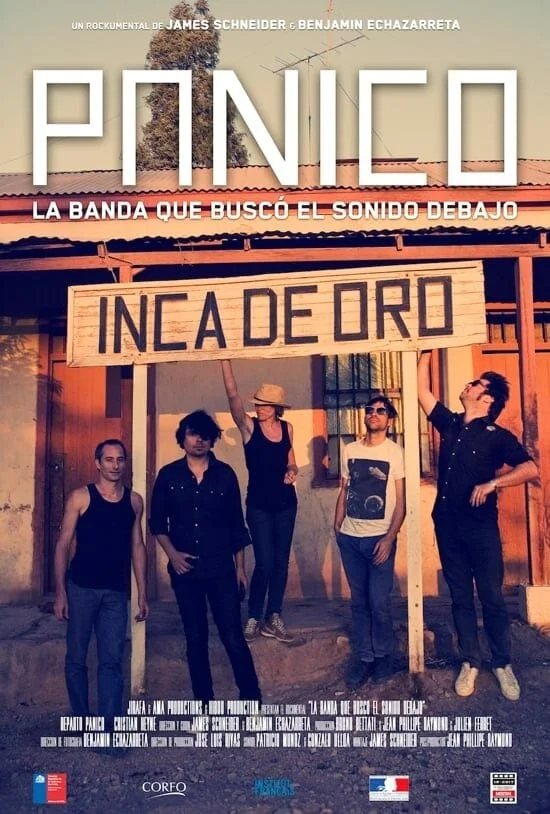
The Band That Met the Sound Beneath
La Banda Que Busco Sonido Debajo
(HD, 85 min, France/Chile, 2012)
In February, 2010, the renowned Chilean band Panico traveled through the desert of northern Chile to record an album in the Atacama desert. After two decades of punk and post-punk rock, these offspring of political exiles are themselves rocked by not only the strange, mystical sounds and voices of the north but by a major earthquake.
The recording process itself was a bold revolutionary act, as the environment, natural and industrial, was ceded the role of both guide and provider of material for the compositions. The band’s praxis sets forth a rare, if not uncharted, engaged relation with the natural world in the artistic act.
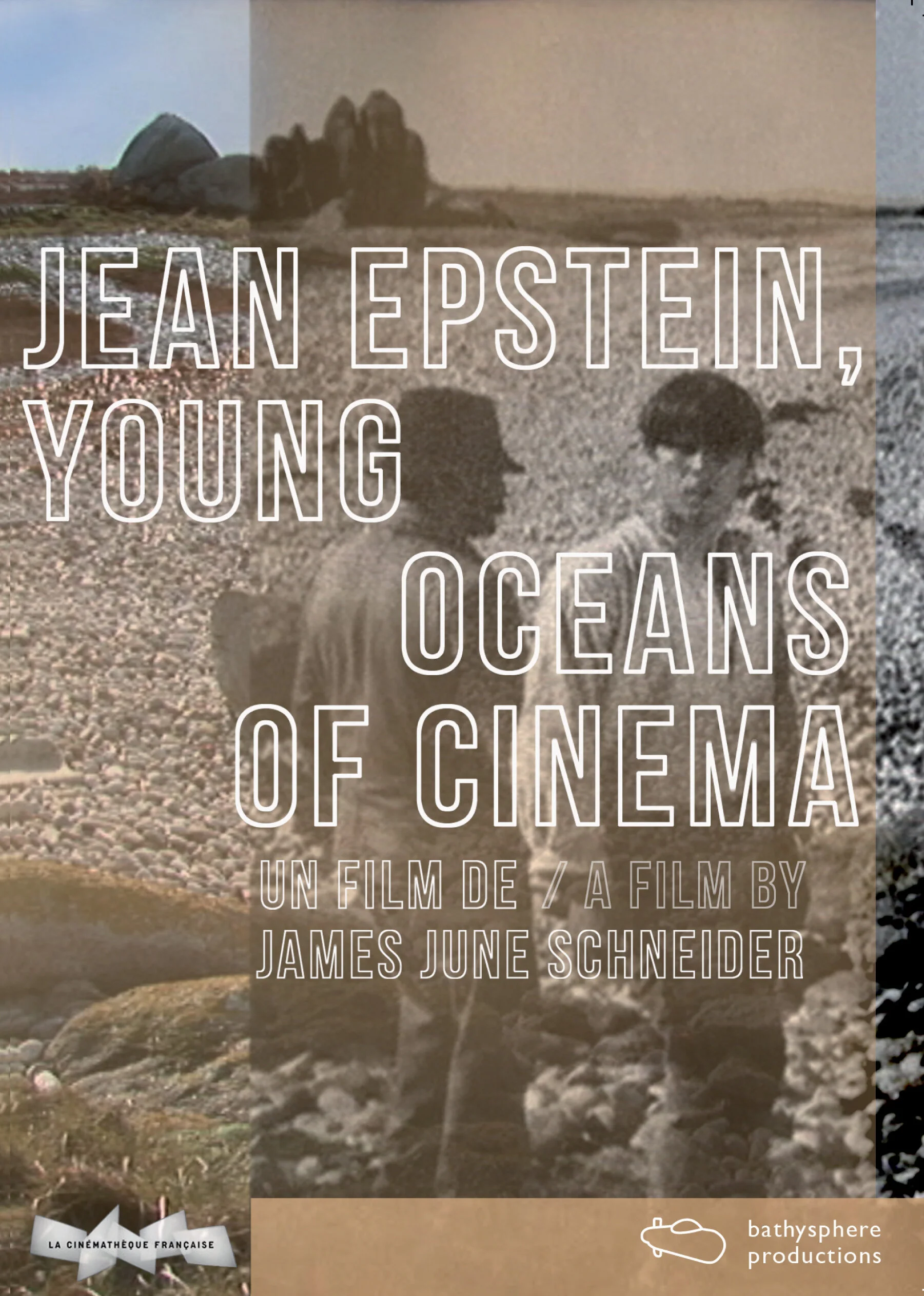
Jean Epstein; Young Oceans Of Cinema
(HD, 68 min., France, 2011)
A portrait of the avant-garde French filmmaker Jean Epstein as seen through the island-world of Brittany where he tested his profound aspirations for cinema.
Produced by Bathysphere Productions and La Cinémathèque Française
view for free on Henri, the platform of the Cinémathèque française
Jean Epstein, La Mer Lyrosophe
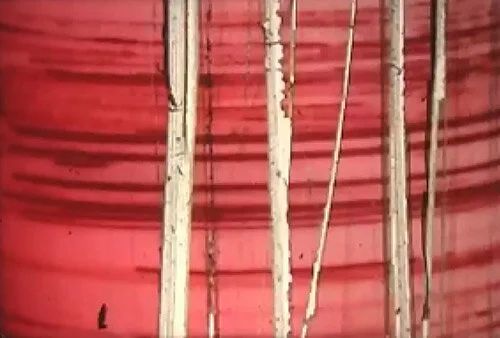
(16mm, 7 min., USA, 2008)
Made in collaboration with Paul Bishow
The emulsion of a film loop and its optical soundtrack are progressively scratched nearly completely from its surface by a modified record needle. We simultaneously hear and see the scratching.
distributed by Light Cone
Degradation #2: Scratch
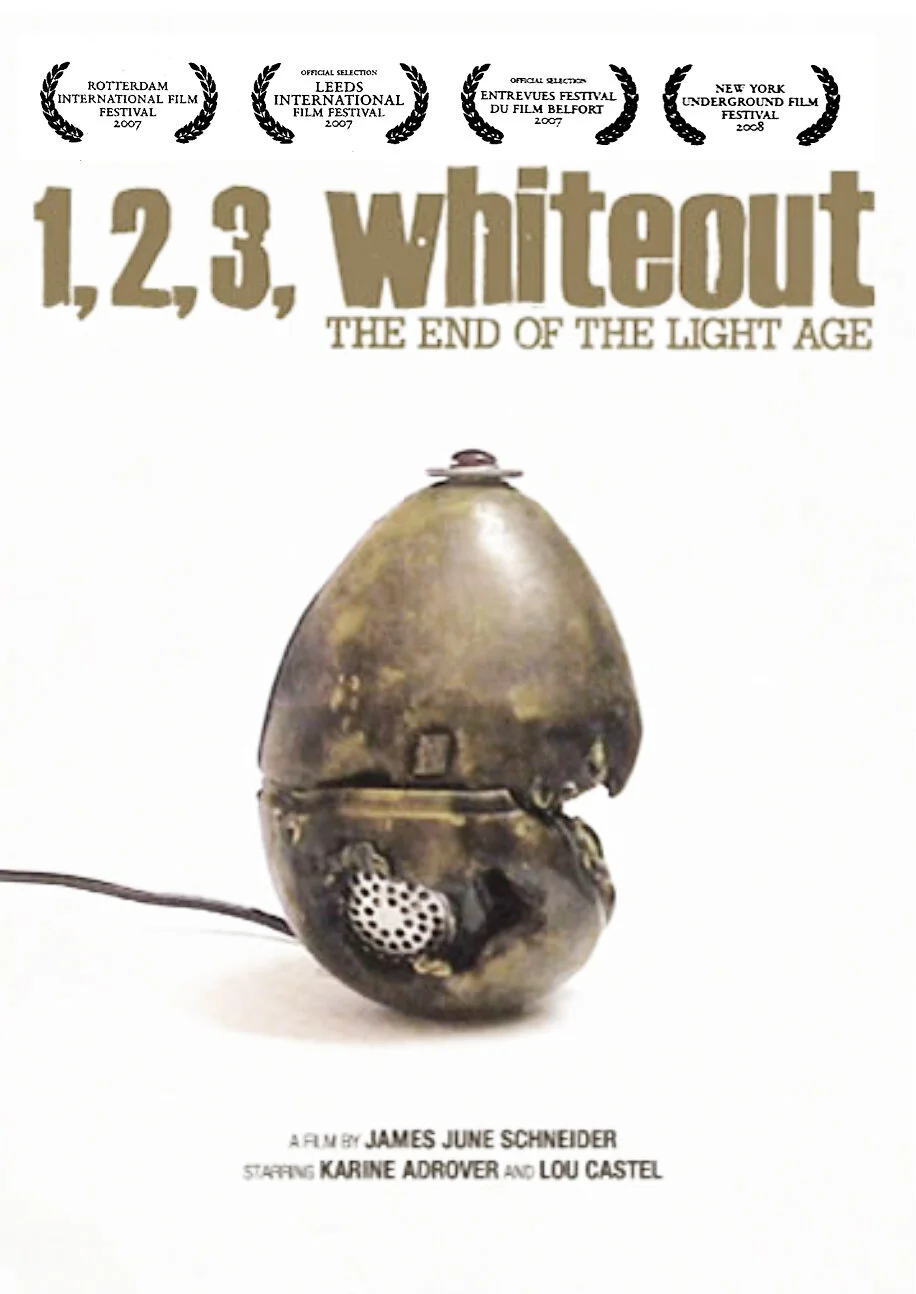
The End of the Light Age
(16mm, 75 min., USA/France, 2008)
In a future present, a rebellious Veronique (Karine Adrover) finds herself working for an inventor (Lou Castel) who has dedicated himself to the cause of a positive darkness. He is working to counter the tide of a bright, diffuse, and technologically obsessed present time as represented in the film by human-made light. Veronique's brother Alix works for an agency that is attempting to thwart the process. The film evolves from acted scenes into a lyrical universe including archival and other found sound and image.
aka 1,2,3, Whiteout
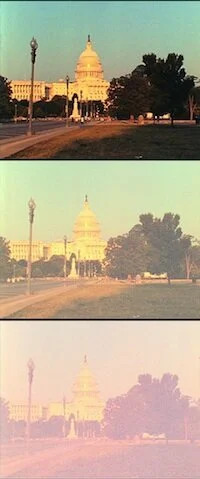
These two short films were made using x-ray radiation, recording its effects on film.
Part 1: Shroud of Security (16mm, color , 3min. 30, 2007)
“As with the Shroud of Turin, on which is said to be inscribed the face of Jesus Christ, the emulsion of this film has absorbed the image of a contemporary figure, abstract and ominous.” (Washington Project for the Arts)
Part 2: Government Radiation (16mm, color , 3min. 30, 2008)
While “Shroud'“ deals a radiation blow to virgin film through air travel security, in this volume, the emulsion is affected through US government security checkpoints.
both films distributed by Light Cone
Degradation 1: X-Ray
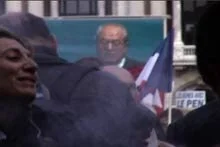
(DV, 5 min, USA/France, 2003)
Through the thick smoke of sausage, stands appears the image of the extreme right xenophobe Jean-Marie Le Pen. He is one step away from the French presidency in May 2002 and the clandestinely filmed scenes of this rally foretell his defeat.
Saucisse
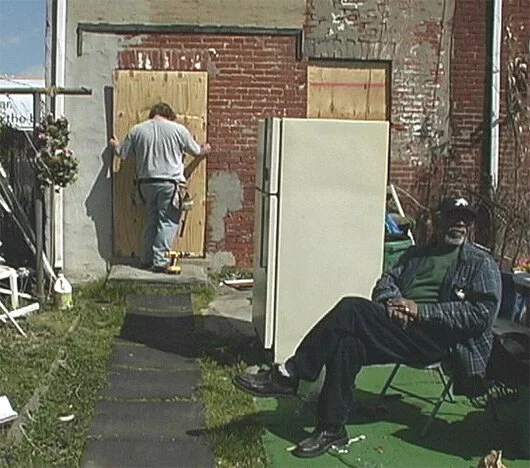
(HDV, 65 min, USA, 2006)
This film was screened locally in Washington DC, prior to the 2006 Mayoral elections. It contains the last glimpses and words from a neighborhood demolished for the Washington Nationals Baseball Park. Most of the inhabitants and businesses were forcibly evicted using "eminent domain" laws.
The New Ball Game
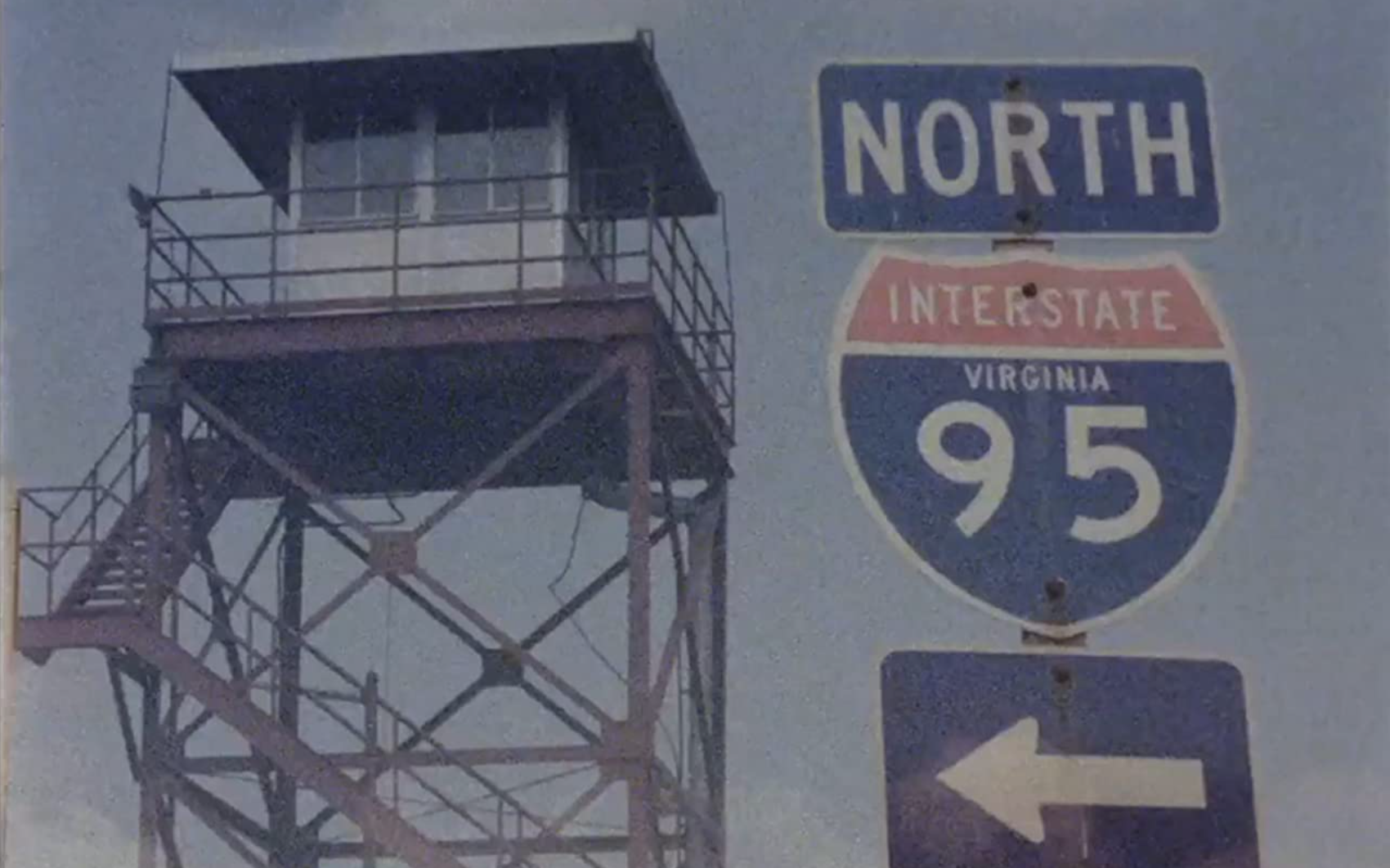
(16mm, 9 min., 1999)
Part 3 of the Dystopian Trilogy
"Through the metaphor of the American freeway and the use of found footage, we sense how mobility and freedom of movement are kept in check by a booming incarceration business" (Festival International du Film Indépendant, Brussels, Belgium). This final chapter of the Dystopian Trilogy was used by several non-profits as an educational tool.
Distributed by Canyon Cinema
Median Strip
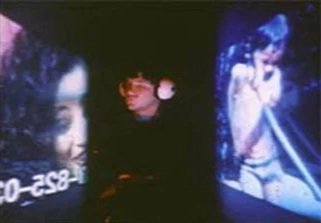
(16mm, 8 min, USA, 1997)
Documentation of The Staticose Chamber, a device that uses methodically orchestrated combinations of image and sound to reverse the effects of excessive or incapacitating types of audio-visual abuse. Actors include Dr. Harun Nazir, Paul and Travis Bishow, Lely Constantinople, Peter Hoey, and Dr. Stanley Kaplan.
The Staticose Chamber
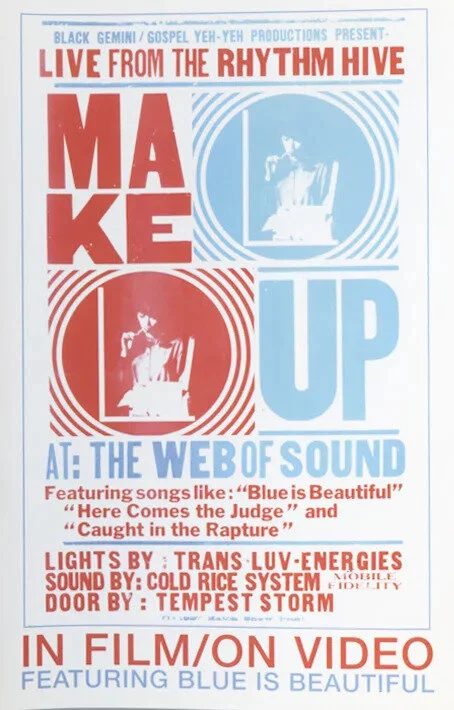
Blue is Beautiful DVD cover
(16mm, 32 min., 1997)
This road movie was made with DC's notorious gospel-punk outfit The Make-Up. The musicians seek "creative asylum" in a subcultural womb. Parisian critic: "C'est comme si Foucault roulait avec les situationistes dans le Scooby-Doo Van" (It's as though Foucault went on a road trip with Situationists in the Scooby Doo van”. Starring The Make-Up.
Distributed by Dischord Records
Blue is Beautiful
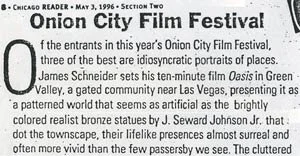
Fred Camper
Oasis
(16mm, 10 min., USA, 1995)
Part 2 of the Dystopian Trilogy.
Surreal rendering of a "master-planned" community, Green Valley, in the suburbs of Las Vegas, Nevada - with members of the band Combustible Edison.
Distributed by Canyon Cinema
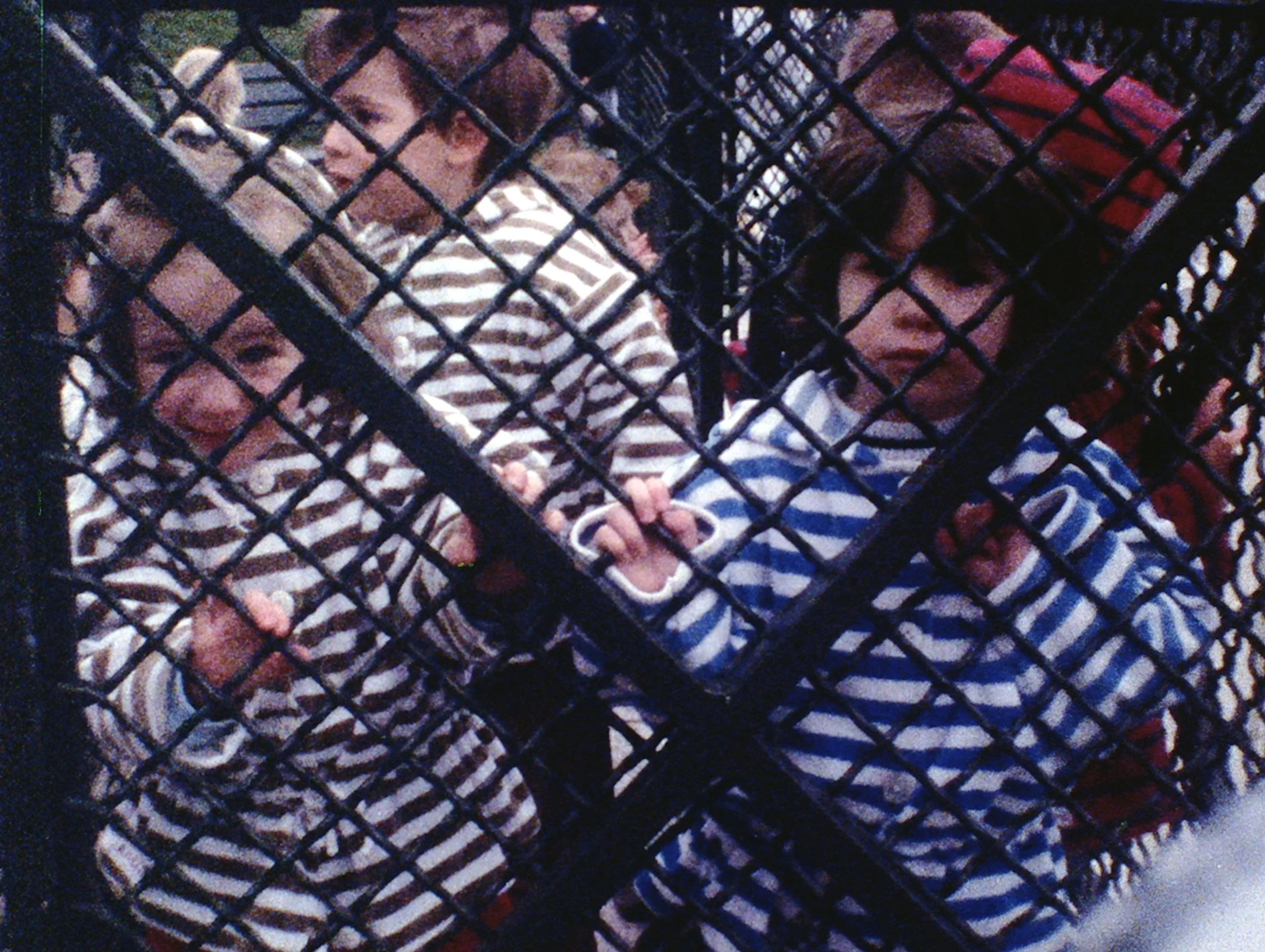
(16mm, 8 min., USA, 1993)
Part 1 of the Dystopian Trilogy
This distilled atmospheric portrait is a glimpse of what was once called a "cultural Chernobyl", Euro- Disney. It was shot soon after the amusement park's opening in 1992, just outside of Paris, France.
Distributed by Canyon Cinema